
Certainly! Underwater photography can be a challenging yet rewarding endeavor. Here are some tips to help you capture stunning images beneath the surface:
Invest in Quality Gear:
Use a dedicated underwater camera or a waterproof housing for your existing camera to ensure protection against water damage.
Understand Lighting:
Natural light behaves differently underwater, so be mindful of your depth and the time of day. The best light for underwater photography is often in the morning or late afternoon when the sun is not directly overhead.
Use a Strobe or Flash:
Even in well-lit conditions, colors can become muted underwater. Use an external strobe or flash to add light and restore the vibrant colors in your photos.
Master Buoyancy:
Achieving neutral buoyancy is crucial. This allows you to hover effortlessly, preventing disturbance to marine life and helping you compose shots more effectively.
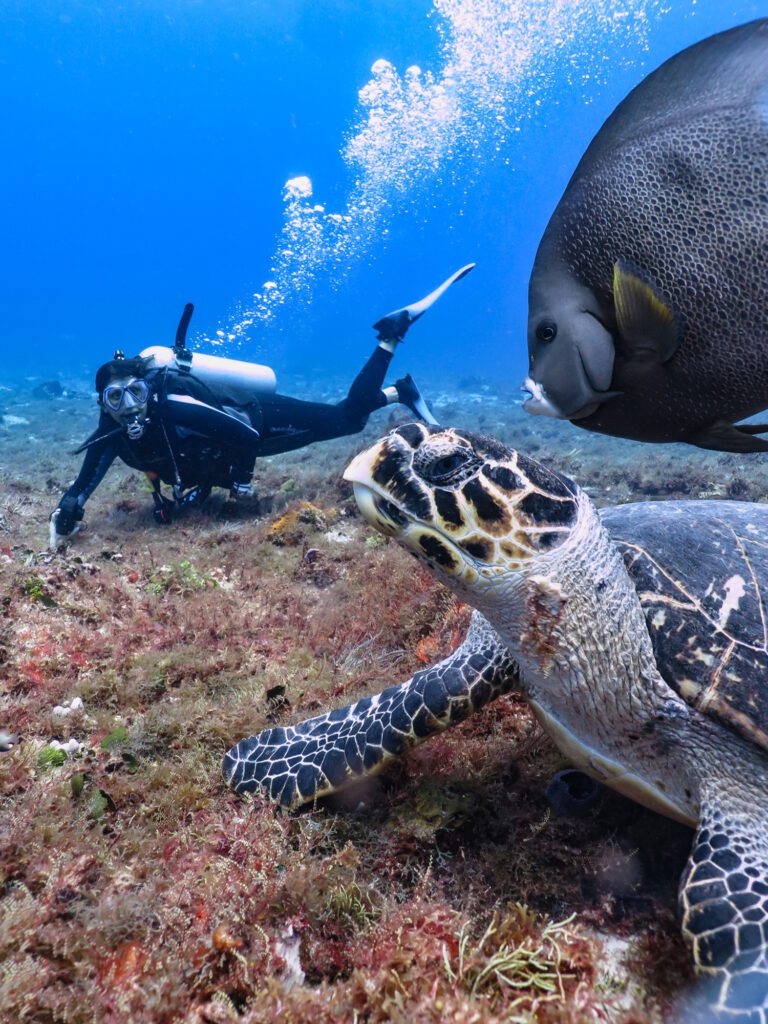
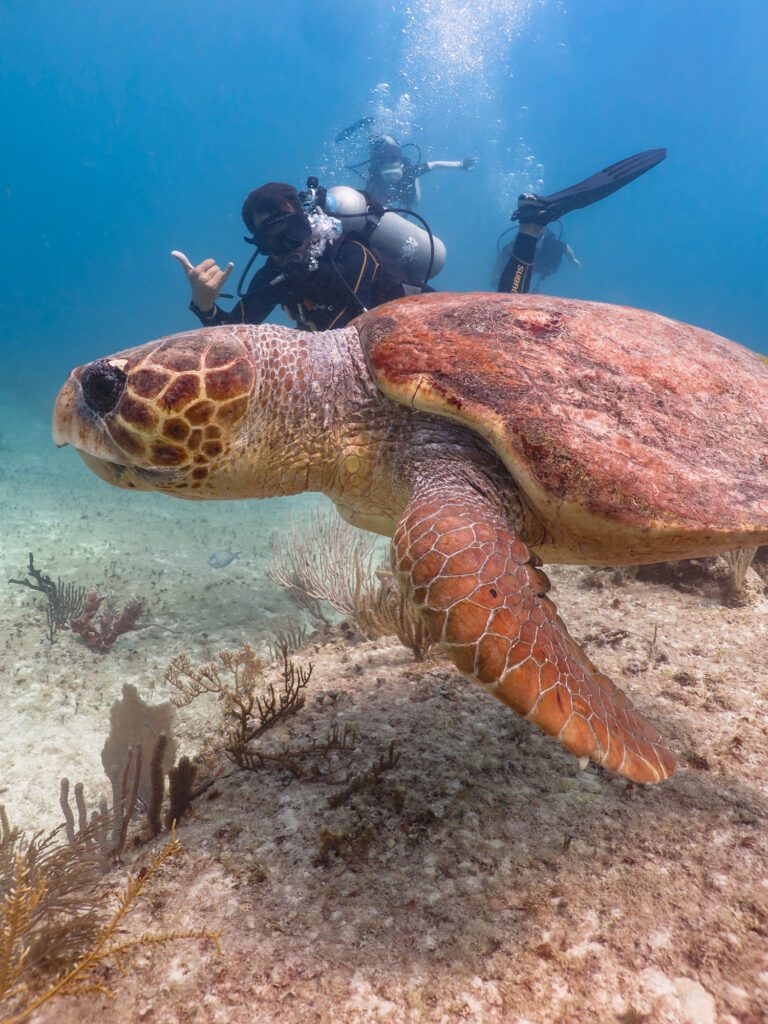
Get Close and Fill the Frame:
Water tends to reduce image clarity and color, so get as close as possible to your subject. This will minimize the amount of water between you and your subject, resulting in clearer and more colorful photos.
Shoot at Eye Level:
Capture subjects at their eye level to create a more intimate and engaging composition. This often means diving down or using proper buoyancy control.
Mind the Background:
Pay attention to the background to avoid distractions or clutter in your photos. A clean background will make your subject stand out more effectively.
Shoot in RAW:
Capture images in RAW format to allow for more flexibility during post-processing. Underwater conditions may require adjustments to color balance and exposure, and RAW files retain more data for these corrections.
Prevent Backscatter:
Backscatter, caused by particles in the water reflecting light back into the camera, can ruin a photo. Position your strobe or flash at an angle to minimize this effect.
Practice Responsible Diving:
Prioritize the well-being of marine life. Avoid touching or disturbing underwater creatures, and be aware of your surroundings to prevent damage to delicate ecosystems.
Experiment with Composition:
Try different angles, perspectives, and compositions to add variety to your underwater photography portfolio. Don’t be afraid to think creatively.
Learn Post-Processing Techniques:
Understand and practice post-processing techniques to enhance your underwater images. This includes color correction, contrast adjustments, and removing unwanted artifacts.
Remember, patience and practice are key when it comes to underwater photography. Take the time to hone your skills and adapt to the unique challenges presented by the underwater environment.